

An Interview with the Author of "Swing Low"
Walter Strickland’s Swing Low is a rich, in-depth project of historical understanding in two complementary volumes: a comprehensive narrative of the history of Black Christianity in America since colonial times alongside a full volume of historical documents enabling readers to hear the voices of the African American church for ourselves.
What a wide-ranging project! Were there surprises the material held for you as you researched and wrote?


Walter Strickland: One of the most profound discoveries I encountered was the remarkable depth of theological and pastoral engagement exhibited by African American Christian leaders in the 1890s, in particular ministers like Charles Octavius Boothe and the authors of The Negro Baptist Pulpit. These leaders thrived due to the post-Emancipation legalization of literacy for African Americans and access to a rich tapestry of Christian literature while remaining deeply rooted in the African American Christian tradition.
I was also struck by African Americans who deliberately adopted the term “evangelical” to affirm historic Christian doctrinal convictions while intentionally applying them to the lives of African Americans. Pastors and ministers such as William H. Bentley, Tom Skinner, and William Pannell insisted on applying Scripture to the Black experience, thereby providing a contrasting voice to Black liberationists. Despite their significant contributions, they remain relatively unknown because they focused on incarnational ministry rather than documenting their thoughts in journal articles and monographs.
You identify five “anchors” crucial to the diverse tradition of Black Christianity. Are there any in particular that most need attention and understanding these days?
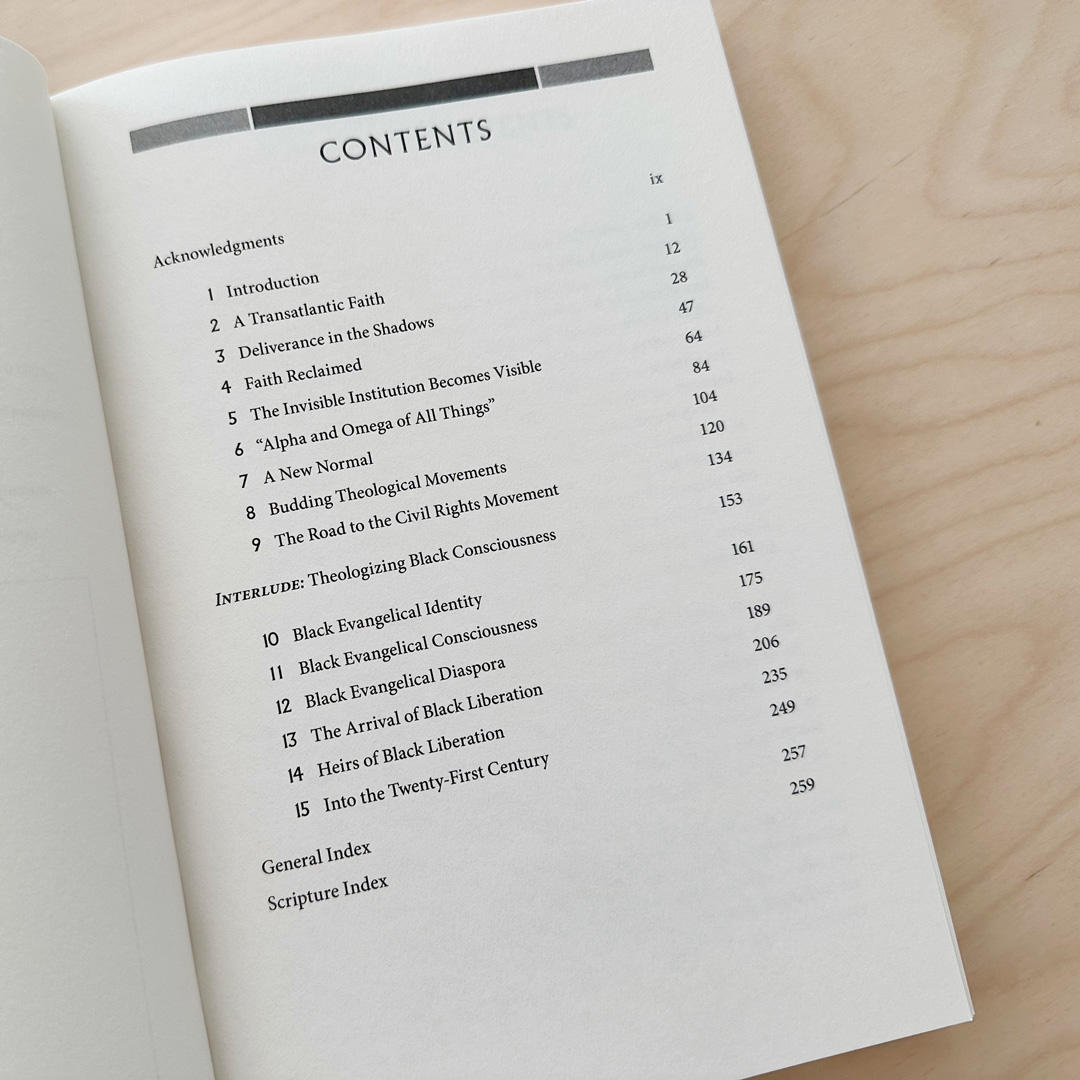
WS: The two anchors that need attention most are “The Good Book” and “Deliverance.” Swing Low demonstrates that African Americans are a Bible-centric people. Pre-Emancipation Black faith featured the telling and retelling of biblical narratives through story and song. During Reconstruction after the Civil War, this pattern intensified as Black literacy was largely driven by a desire to read Scripture for themselves—rather than having Scripture mediated by people whose misinterpretations were used to manipulate them. But now, among Christians and non-Christians alike, Bible literacy is plummeting. Tracing the history of “The Good Book” anchor drove me to reaffirm my commitment to God’s Word as a primary means of grace in my life—and I’m convinced Swing Low can do the same for others.
The “Deliverance” anchor also needs attention. Throughout Scripture God reveals himself as a deliverer. While liberation’s place in the biblical witness is nearly uncontested among African Americans, the methods employed to pursue liberation have been the locus of spirited debate—especially since the Civil Rights Movement. Throughout the African American tradition, deliverance has consisted of a robust sense of salvific, social, and eschatological liberation.
If you could host a sit-down, time-travel dinner party, which people from Swing Low would you invite?
WS: It’s easy to answer this one! If I could turn back the hand of time, it would be to 1862, and I would host a dinner and invite Betsy Stockton (one of America’s earliest single female missionaries), evangelists Jarena Lee and Zilpah Elaw, abolitionist Sojourner Truth, and renowned educator Fannie Jackson Coppin.
Each of these remarkable women bore witness to the significance of their conversion and grounded their ministries in the power of the Holy Spirit. I would be eager to hear their stories of God’s power and grace in their lives and ministries. Initially, I’d be captivated by the differences in their ministry approaches due to the chronological gap from my own lifetime. However, I’d also love hearing how the gospel triumphed over racism and sexism. Moreover, I would seek their counsel on remaining faithful through life’s ups and downs, as I aspire to “finish the race and keep the faith” just as each of them did.
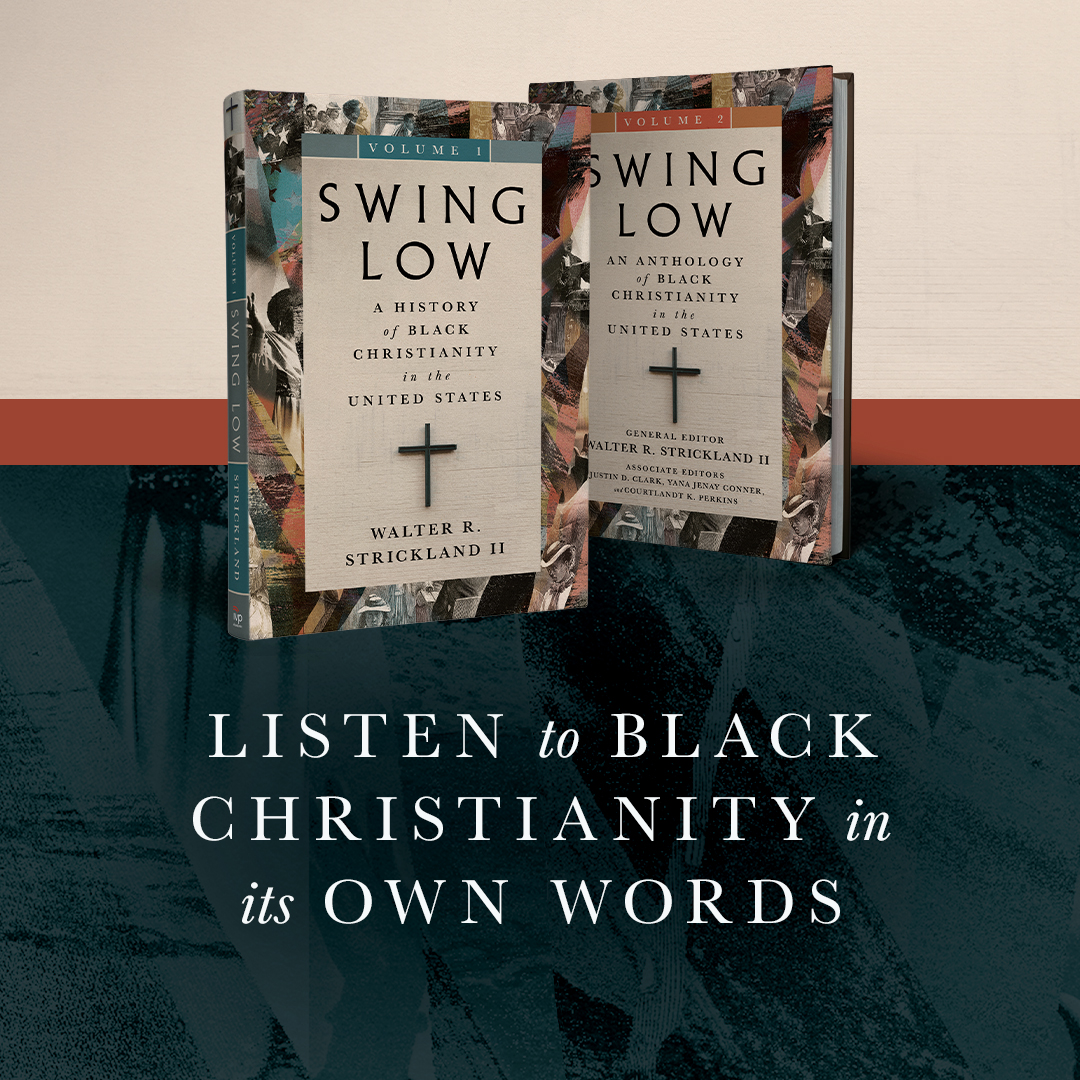
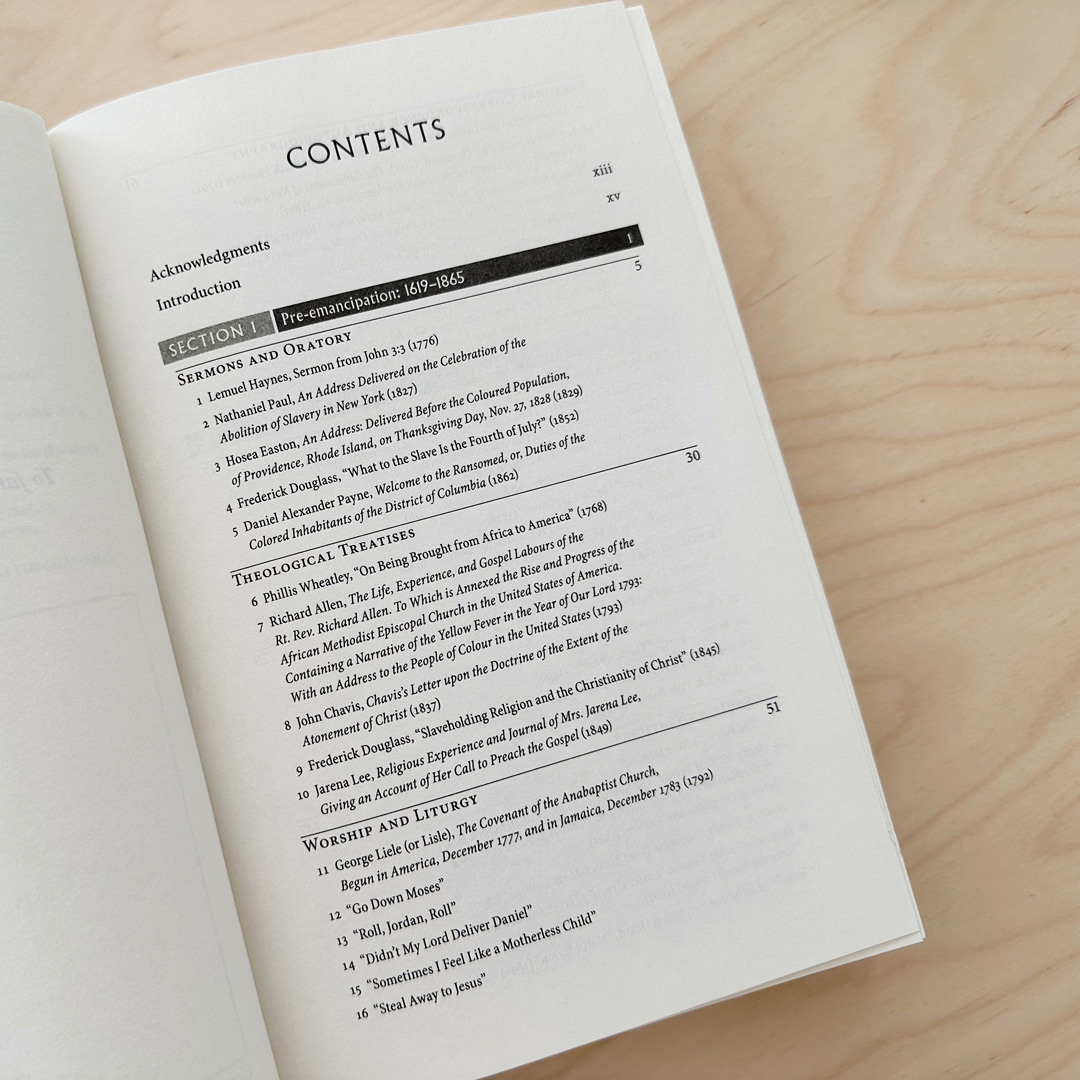
What are the benefits of doing scholarly work in close collaboration and interdependence with others, as you have on various aspects of this project?
WS: African American Christianity is a communal expression of the faith, so it is fitting that the anthology volume was only possible because of a communal effort. The editorial team and I were encouraged by the broader community of faith as word about the anthology got out. To our surprise, we were met with more enthusiasm when people put their money where their mouth is by helping us to cover the copyright permissions from other publishers for literature included in the volume because of their desire to see the project come to fruition. This provided a deep resolve during the years of locating resources and seeking clearance to include them in the book. I was blessed to talk with the families of deceased brothers and sisters who offered wonderful firsthand stories about their loved ones and their contributions to the faith through their writing. This was an unexpected blessing beyond measure.
Join us in celebrating Black authors or join IVP's email list to get more content like this in your inbox.
About the Author
Walter R. Strickland II
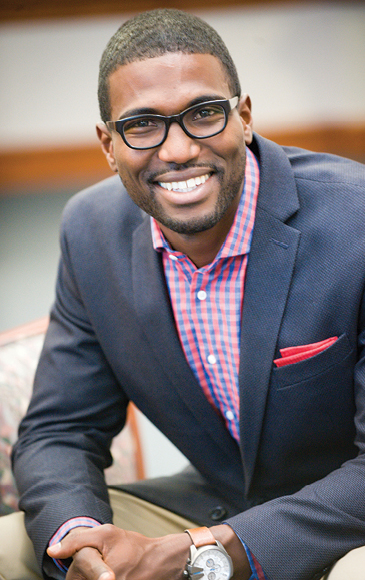
Walter R. Strickland II (PhD, University of Aberdeen) is associate professor of systematic and contextual theology at Southeastern Baptist Theological Seminary. He has coauthored or contributed to several books, including For God So Loved theWorld: A Blueprint for Kingdom Diversity. He is a host of the White Horse Inn podcast and founder of Cultural Engagement and Aptree Learning.
This interview originally appeared in the IVP Academic catalog.


