

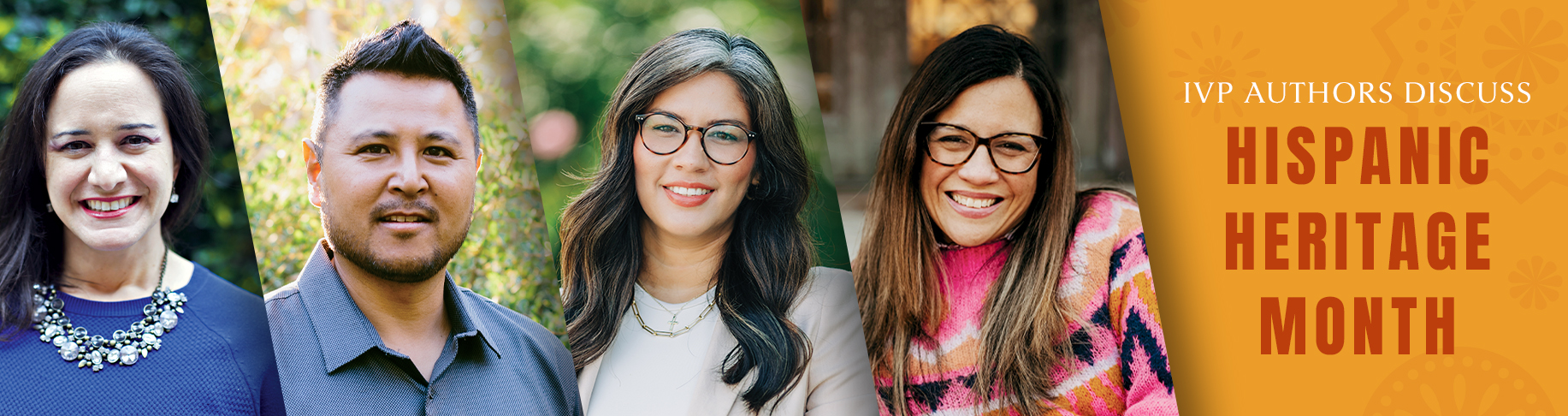
IVP Authors Discuss Hispanic Heritage Month, Diversity, and What Hispanic and Latino Communities Need to Hear Right Now
What does recognizing and celebrating Hispanic Heritage Month typically look like for you?
Natalia Kohn Rivera, coauthor of Hermanas: My family and I do quite a lot of ethnic celebrations. As a Latina married to a first-generation Latino man, we cherish our roots and celebrate our Latino cultures very innately. September to October is not too different. I enjoy buying Latino-made products and supporting Latino small businesses.
Robert Chao Romero, author of Brown Church: It makes me happy to see the often unsung contributions of the Hispanic community to the United States be recognized, especially in the sciences, arts, and the academy. Honestly though, there’s always some tension for me because, during the other 11 months of the year, our community tends to get ignored, and we are not invited to the table of conversation.
Kristel Acevedo, author of A Way in the Wilderness: We try to be intentional in our home to celebrate our culture throughout the year and not just in a specific month, but the nice thing about Hispanic Heritage Month is that our city will typically have several celebrations and festivals which we participate in. It’s so nice to see our culture on display in a big way and to learn about other Latin American countries because we are all so different. It’s beautiful!
What does the balance of commemoration and action look like during Hispanic Heritage Month?
Marlena Graves, author of The Way Up Is Down: Puerto Ricans, my heritage, are always celebrating and commemorating their culture and heritage year-round. We are a predominantly fun, kind, warm, and feisty people. I think we need to demand our rights from the US instead of allowing ourselves to be used when it is merely convenient. We have citizenship up to a point. Even those rights could be stripped away.
Robert Chao Romero: In the church, it means that we need to go beyond tokenism. It means the welcoming and appreciation of distinct Hispanic perspectives and leadership as a God-given gift to the body of Christ.
Kristel Acevedo: We commemorate and take action throughout the year, but I think it’s important for my family to celebrate in an especially big way during Hispanic Heritage Month. We try to focus on the beauty of Latin American culture: the music, the food, the dancing, the history. It feels like a great time to pause and breathe and celebrate.
What do you wish that others knew about Hispanic and Latino history or culture? How might it inform their thinking today?
Kristel Acevedo: I wish people knew how varied and diverse we are. We are not a monolith. Our food, our music, our ethnicity, even the way we speak Spanish can vary from country to country. Instead of grouping us all together, celebrate what makes each of us unique.
Robert Chao Romero: In the United States, perspectives about the Latino community are shaped most by media and politics. Media and politics have framed Latinos in a negative, stereotypical light for many years. One dominant framing is that of the Latino Threat Narrative—that we are perpetual foreigners and criminals and do not care about this country. This is painful. We have a rich, 500-year modern history in the Americas and thousands of years of history before that for those who share Indigenous ancestry or are Indigenous themselves.
Natalia Kohn Rivera: There’s a lot I wish others knew, and I mean really knew, about the Latino culture. One of those things is our warmth. It’s one of my favorite things about the Hispanic culture. Friends can become family quickly. We love to laugh, be loud, and have a great time with our friends and family. Generally speaking, we are welcoming, hospitable, and generous. I love the warmth you can feel entering into a Latino home or with a Latino family. I believe our warmth can be so powerful and help bring healing to others who may not have experienced warmth in their own communities.
Marlena Graves: I wish people knew the culture is not monolithic. Similar commonalities are shades of Spanish and the widespread influence of Roman Catholicism. However, every country and region has their own culture and history and words for different things. It would be a mistake to lump us all together and caricature us. It’s like the US and Britain; we speak the same language, a version of English, but our cultures differ in very clear ways.
What questions should people be asking around Hispanic Heritage Month that historically they have not asked? How would you answer those questions?
Kristel Acevedo: I think people should ask themselves where the term Hispanic came from and why some have a hard time connecting with that term. I would answer that question by letting them know that the term actually came from the US Census Bureau. Most Latin Americans identify more strongly with their country of origin rather than a general term like Hispanic. Showing curiosity for people’s specific stories goes a long way.
Marlena Graves: In terms of our Mexican brothers and sisters, it would be fantastic if non-Mexicans asked about the nature of the US/Mexican border. How it came to be, and how it changed. I would answer that the border has changed, while certain peoples have been on the same lands longer than the border has been in place. I would also remind people that almost the entire southwestern and western portion of the US was Mexico: California, Utah, Nevada, New Mexico, Arizona, along with parts of Wyoming, Kansas, Colorado, and Oklahoma. And much of that land was originally Indigenous!
Robert Chao Romero: How do we as Latinas/os uniquely reflect the image of God through our diverse, God-given cultures, for the sake of the kingdom of God and for the benefit of the entire body of Christ? What is our distinct “glory and honor” (Revelation 21:26), and why does it matter for the church?
If you could say one thing to the Hispanic and Latino community right now, what would it be?
Natalia Kohn Rivera: Fuerza in this hour is needed! We need strength from heaven to keep hope alive, to keep fighting against these injustices, and to keep praying for the Lord’s redemption. Let’s keep leaning into Jesus for what we and our community need.
Marlena Graves: Let us act in solidarity and not have any ounce of superiority among us when it comes to our undocumented brothers and sisters in the US.
Kristel Acevedo: Embrace your Latino identity, because it was given to you by a good and creative God who is intentional and makes no mistakes. God uses our ethnic identity and does great and wonderful things through us. I would also say that our identity in Christ is where we are firmly rooted, and it takes precedence over every other identity we carry. This relieves the pressure we may put on our ethnic identity so that we can remember that it is a good thing and not an ultimate thing. Celebrate who God has created you to be and give God the glory!
Robert Chao Romero: We are God’s children, too. We are one of the tribes of Revelation. Just as God journeyed with Moses and the Israelites for forty years in the desert, so has God journeyed with us for 500.
About the Authors
Kristel Acevedo
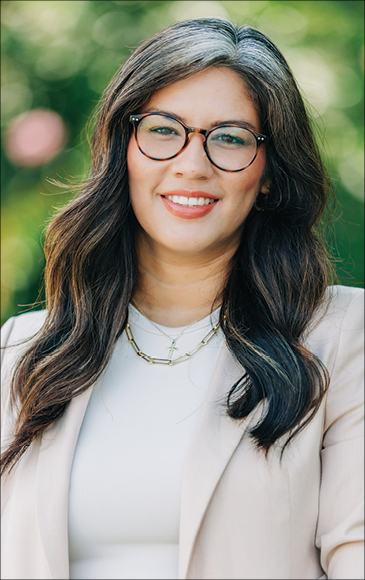
Kristel Acevedo (MA, Southeastern Seminary) is the discipleship director at Transformation Church, a vibrant multiethnic and multigenerational community near Charlotte, North Carolina. Originally from Miami and the daughter of immigrants, she has a passion for discipleship, biblical literacy, multiethnic ministry, and helping others develop a biblical view on immigration. Kristel is the author of A Way in the Wilderness and a coauthor of 3 Big Questions That Shape Your Future.
Marlena Graves
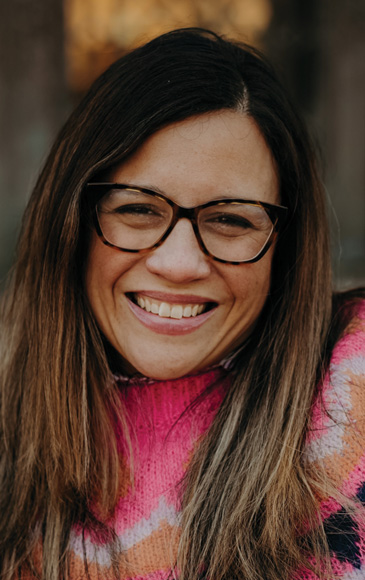
Marlena Graves is Assistant Professor of Spiritual Formation at Northeastern Seminary on the campus of Roberts Wesleyan University in Rochester, NY. She has written five books, two of which were award-winning, and over two hundred articles for outlets including Christianity Today, Relevant, Sojourners, The Christian Century, and more. She has held pastoral positions at several churches. She and her husband Shawn have three daughters.
Natalia Kohn Rivera
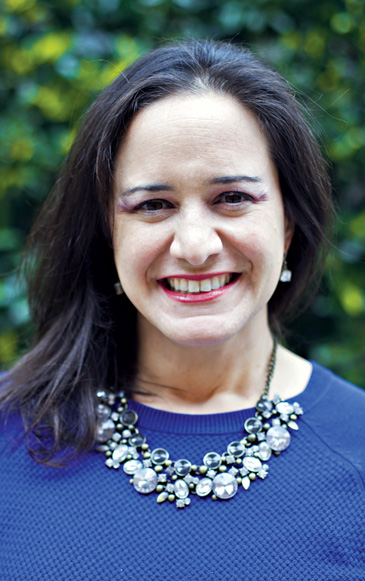
Natalia Kohn Rivera is special projects coordinator for InterVarsity's LaFe ministry and campus staff in southern California and also serves on staff at the Pasadena International House of Prayer, where she trains people in prayer and worship andleads teams on trips to the Middle East. She was born in Argentina and grew up in the United States as a biracial Latina.
Robert Chao Romero
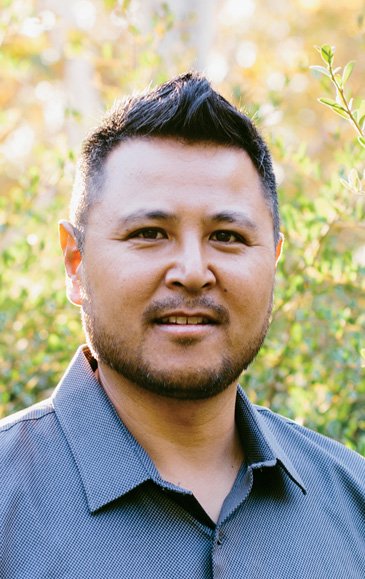
Robert Chao Romero (PhD, University of California at Los Angeles; JD, University of California at Berkeley) is associate professor in the Departments of Chicana/o Studies and Asian American Studies at the University of California at Los Angeles. He is the author of the award-winning The Chinese in Mexico, 1882-1940, Jesus for Revolutionaries: An Introduction to Race, Social Justice, and Christianity, and Mixed Race Student Politics.


