

Listening to Women for the Good of the Church, Academy, and World
In this interview, IVP authors Carmen Joy Imes, Dorina Lazo Gilmore-Young, E. K. Strawser, Nijay Gupta, Rob Dixon, and Sandra L. Glahn reflect on Women’s History Month and the importance of hearing women—and what we miss when we don’t. Gilmore-Young and Gupta are hosts of the IVP podcast Hear Women.
March is Women’s History Month. What does that mean to you (if it does)?
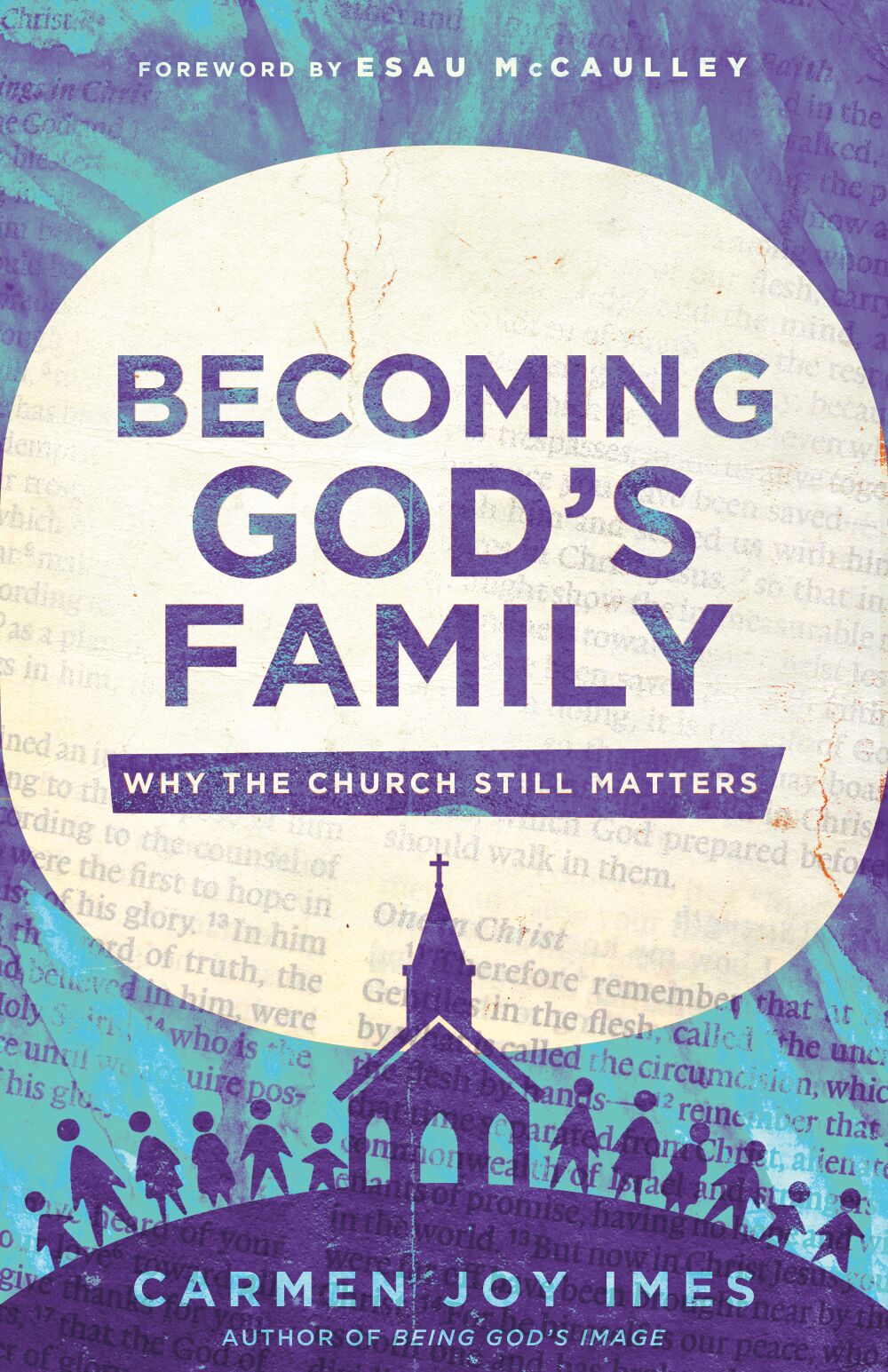
Carmen Joy Imes, author of Becoming God’s Family: Women’s History Month prompts us to think about the women who have shaped history. Women are often forgotten or sidelined both inside and outside the church, so devoting time to recovering their stories helps to rectify the imbalance.

Dorina Lazo Gilmore-Young, author of Redeemer: I love the chance this month provides for us to celebrate the contributions of women. It’s important for the next generation and for all of us to see examples of women making history in a diversity of ways.
E. K. Strawser, author of Centering Discipleship and You Were Never Meant to Lead Alone: While I value the distinction this month is to American history, I have a complex relationship with it because most of the time, in the US, historical honoring happens from the lens of White American perspective. Even as a child, having immigrated from East Asia with my family to the East Coast, I had an awareness that Women’s History Month had to do with the accomplishments of White women, and women of color could have their stories told when it was time for Black History Month (or more recently now, in May, for AAPINH Heritage Month, which we share with both Mental Health Awareness Month and Jewish American Heritage Month).
Rob Dixon, author of Together in Ministry and Allies in Ministry: I celebrate Women’s History Month, but I also wish we didn’t need a month to intentionally honor women’s history. At least in part, the fact that we do speaks to the marginalization that women have had to endure in our society. And, as in society, so too (and probably more so) in the church. So, each March, as I set aside time to reflect on the contributions of women in the church and in my life, I recommit myself to do everything in my power as an ally to forge a more inclusive church.
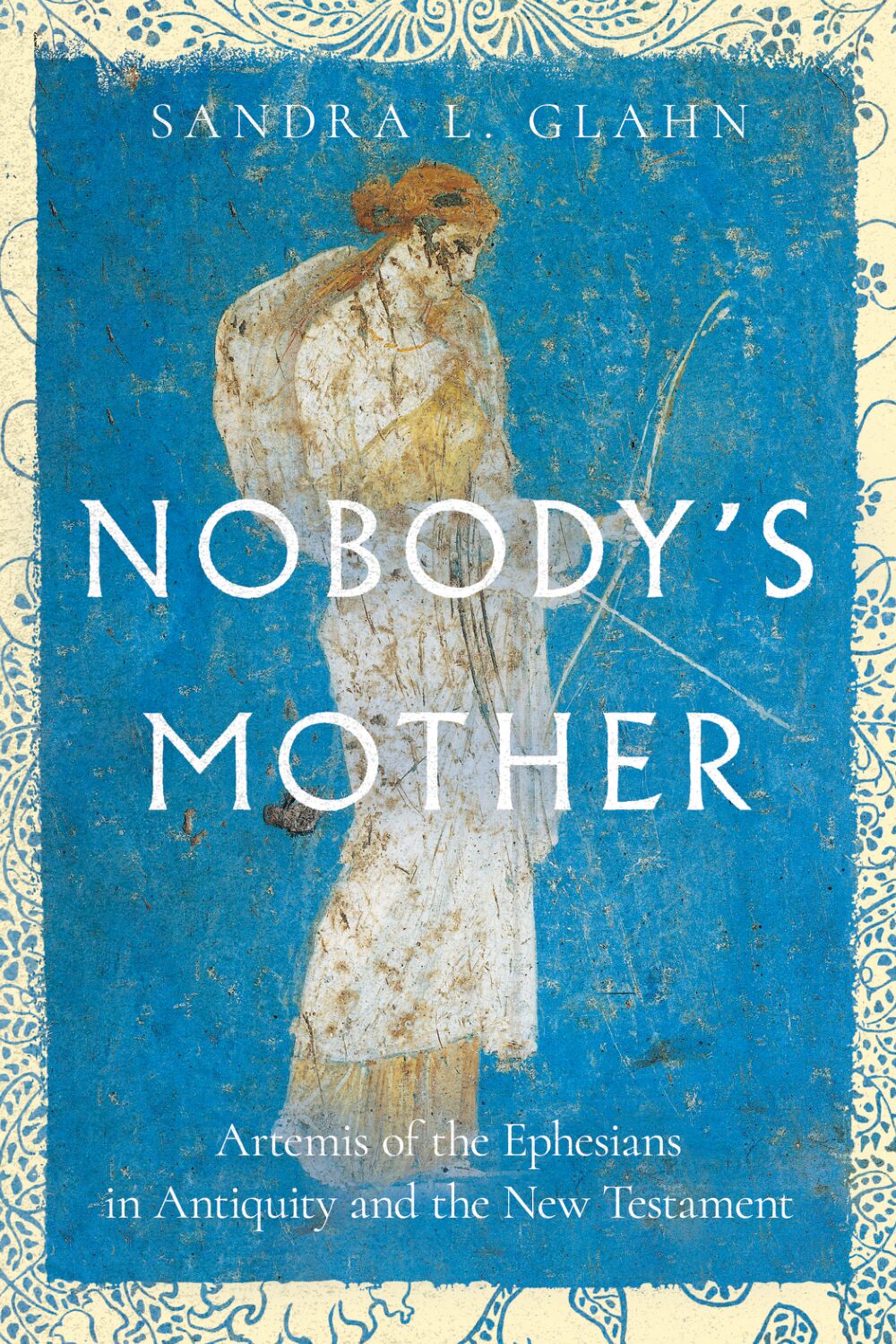
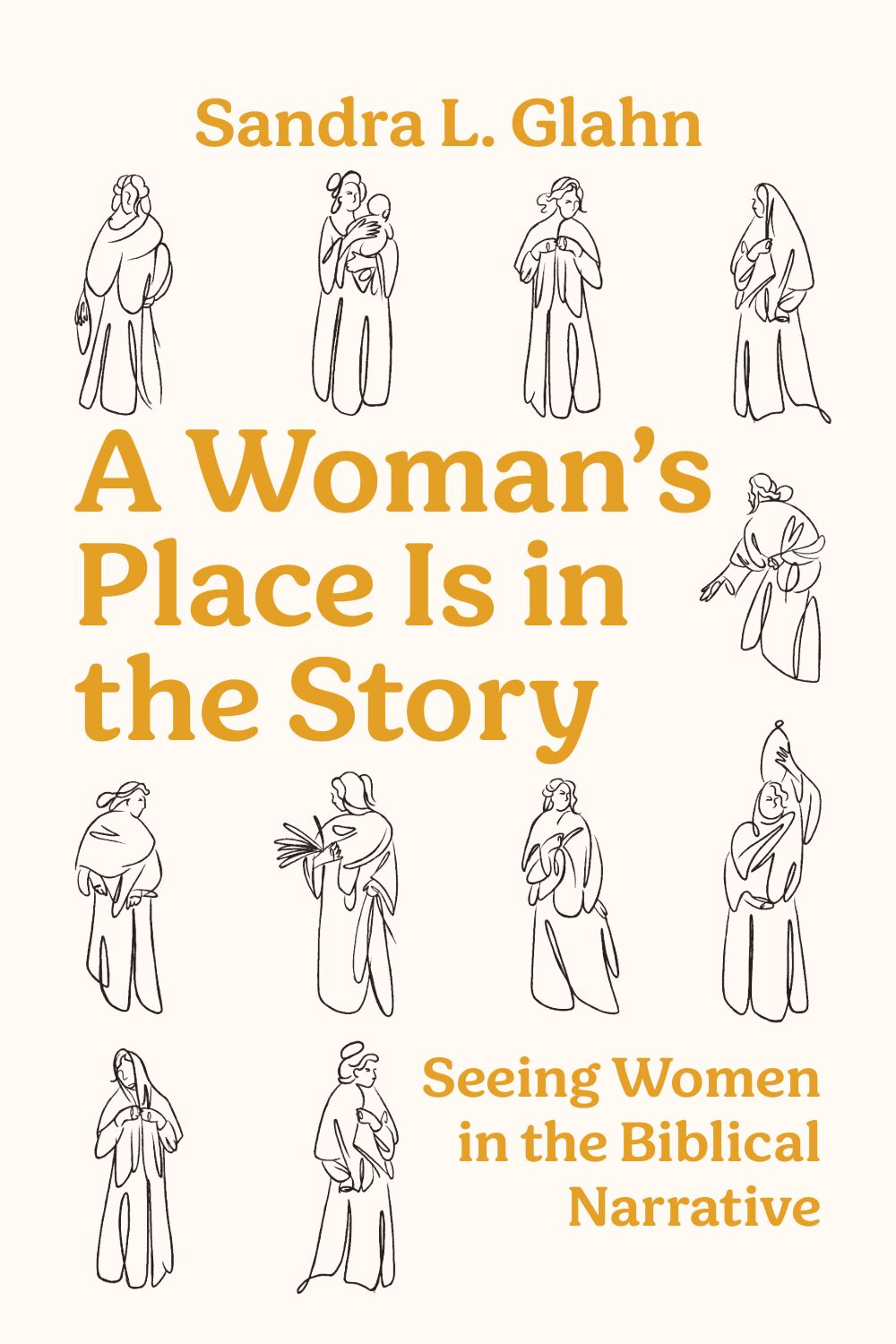
Sandra L. Glahn, author of Nobody’s Mother and A Woman’s Place Is in the Story: For so long, history as taught has centered on political history, which tends to privilege men. This dynamic makes Women’s History Month a necessary course correction rather than a special favor. It’s a time for men and women alike to turn our attention to the women we have overlooked, erased, or underestimated.
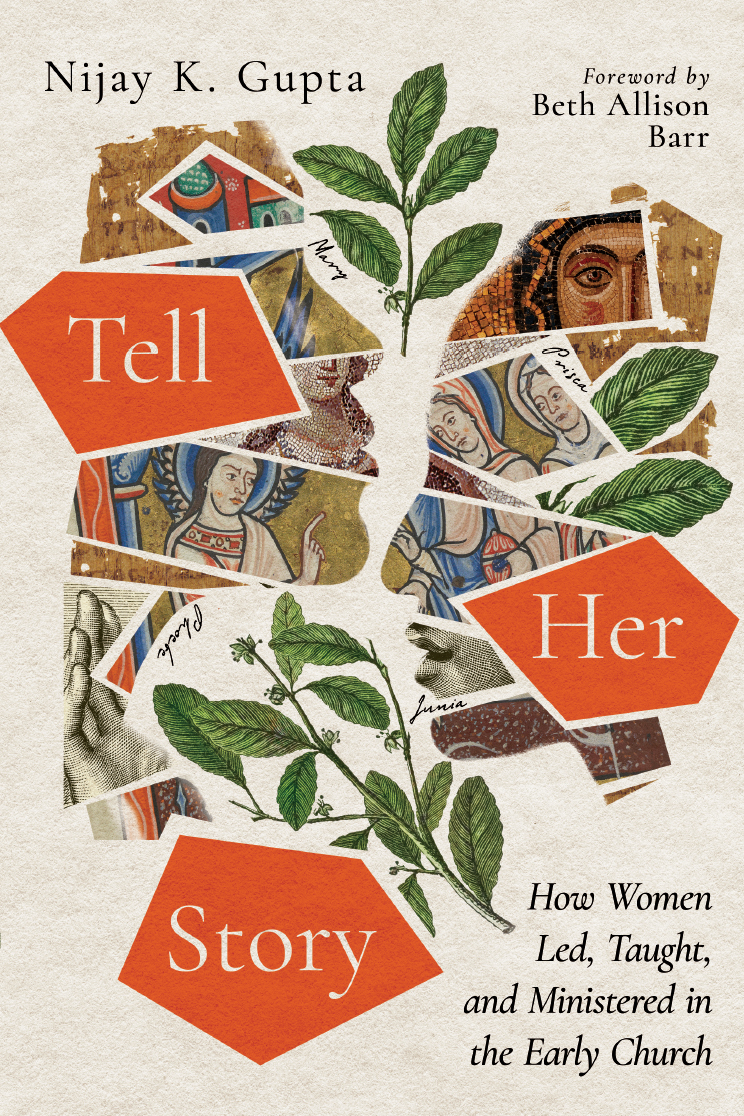
Nijay Gupta, author of Tell Her Story: I recognize that my female colleagues deal with all kinds of obstacles in their work as scholars and writers. I also admit that my undergraduate and seminary studies focused heavily on the writings of men. We shouldn’t only read women during March (of course!), but a yearly reminder of these realities is good. March is a time to remind people—and for me to remind myself—of the great impact that women have had in history, and a time to support and promote women writers.
What have you learned about your voice since writing a book? About women’s voices?
Gilmore-Young: I have learned to have confidence in the sound and shape of my voice as God designed it. I am grateful for a diversity of women voices writing books. We need stories from women around the globe to help us understand our Creator and faith in a deeper way.
Strawser: Writing a book has been one of the most immeasurable gifts in my life—especially in a day and age where intellectual property for artists, creatives, and communicators is so easily confiscated by AI. In having written books on both discipleship and leadership now, it’s been a joy to know that sharing my own unique experiences in church leadership also includes my being a woman, a minority woman, and an immigrant woman. Through having written books, my unique voice isn’t left to be isolated—it’s made to be shared and resonate not just with other women but with other leaders in the church, both women and men, minority and majority, earlier settlers and newly arrived.
Imes: I’ve discovered that when I follow my instincts, both men and women benefit. My books are a blend of serious biblical scholarship and real-life stories and illustrations. Surprisingly, my books have resonated deeply not just with women, but with male pastors and men’s groups.
Glahn: My most recent book is A Woman’s Place Is in the Story. In terms of the early church, many Christian women took seriously Paul’s advice to aspire to the quiet life (1 Thess 4:11). Yet when we find very little about these women in the annals of the faith, we sometimes conclude that they weren’t doing much. Most of us have heard of the Desert Fathers but not of the Desert Mothers. Yet the Desert Mothers like Mary of Egypt would have seen our lack of knowledge about them as a win. They sought to be anonymous, so goal accomplished. The absence of a voice is sometimes a countercultural response to a world that pressures people to say “Hey! Look at me!”
Is there a woman’s story that has most impacted you? Why are you grateful to know it?
Gupta: I recently learned about the Catholic nun and missionary known as Saint Frances Xavier Cabrini (1850-1917). She was a powerhouse of conviction and compassion, serving immigrants in the US. She was passionately dedicated to serving the marginalized out of devotion to Christ.
Glahn: In this cultural moment, two women in Exodus, Shiphrah and Puah, stand out. These women worked to keep the Hebrew babies out of the crocodile-infested Nile in defiance of Pharaoh’s orders. They probably trembled at the prospect of what could happen to them for civil disobedience—especially when they got summoned to give account to Pharaoh. Yet they did what was right anyway. These women, and those they directed, never knew they saved the baby whom God would use to save Israel. They surely died long before the eighty-year-old Moses insisted that Pharaoh “Let my people go.” Yet these women lived righteously in their small corners of the world. They probably felt powerless against the enormous crush of their slavers. These women never knew this side of eternity that their small, anonymous acts of righteousness would change the world—doubtless in answer to their own prayers.
Imes: One of my favorite women of history is Huldah, a prophet during the reign of Josiah (2 Kings 22). She is not the only prophet at that time, but men seek out her authoritative word from God when they want to understand the Scriptures. Her story reminds me that women have been contributing to faith and politics for many centuries.
Dixon: Biblical women like Deborah, Mary, and Priscilla have become heroines for me, but I’ll point to a secular woman whose life and ideals have helped shape me. Many years ago, I wrote my undergrad senior project on a woman named Mercy Otis Warren. Warren was the first woman who wrote a history of the American Revolution, and in the paper I explored her views of politics and gender, which called for a level of social inclusion that challenged her status quo. To me she’s everything I long to see both in myself and in the women in my life: principled, prophetic, and just a bit feisty.
Strawser: One of my favorite woman writers and storytellers is Dr. Isabel Wilkerson, the author of Caste and The Warmth of Other Suns. I love how she shares her story through the pivotal research she does on human hierarchy and that her writing was recognized with a Pulitzer Prize. She’s a woman of color in an academic and competitive field often consumed by men, and she laces her writing with love for both her husband and mother whom she lost in close time. Her words and research are a gift to humanity.
Gilmore-Young: I am deeply impacted by the story of Ruth in the Bible. The way she courageously navigated grief and stepped into a new chapter of faith and life continues to inspire me daily.
What do we miss when we don’t read books by women? What does the academy miss?
Glahn: Genesis tells us that it’s not good for a man to be alone (Gen 2:18). That suggests it’s also not good for a woman to be alone. Both male and female image God (Gen 1:26–27). So we need each other. Yet sometimes it seems that theology is the one sphere where people assume men are supposed to be alone. Why would we not want to hear from all sorts of imagers of God with eyes on the text?
When we read books written only by men or when professors provide bibliographies full of books written only by men, we miss the same thing that is lacking when we listen only to Western voices. Or North American voices. Or the voices of only one ethnicity or only one socioeconomic status. Revelation 7 provides a beautiful picture of the ideal state where every tribe and every nation retain their distinct identities. Would we want all animals in heaven to morph into canaries? No, we want the wolf, the goat, the leopard, and the lamb to lie down together. Diversity reflects the beautiful creativity of God. He invented it. We should embrace it, revel in it.
Imes: When we don’t read books by women, we miss insights that come from a wide range of life experiences—stories that reflect women’s embodied experiences and the strengths of interdisciplinary and collaborative approaches that are more common among women. Women have often been overlooked, and that marginalization has cultivated particular concerns for other vulnerable members of society.
Gupta: We miss profound learning! There are average male writers and great male writers. There are average female writers and great female writers. If there is some reason you are not reading women scholars, now is the time to make up for lost time! One thing I think about: mothers draw from a different life experience than fathers. Grandmothers than grandfathers. Women who have experienced a miscarriage than men who haven’t. We writers aren’t robots; we are humans, and every human is different. Reading across the spectrum of life experience can only enrich your learning.
If you could speak to the women who feel unheard and unseen, what would you tell them?
Gilmore-Young: We serve El Roi, the God who sees us in the wilderness places like he saw Hagar, Ruth, Esther, Mary and others. Your voice matters. Tell the story only you can tell.
Imes: We live in a time with unprecedented opportunity to write for wider audiences without traditional gatekeepers. What you have to say is important and can make a meaningful contribution to your circle of acquaintances. Don’t wait until someone hands you a title or a platform. Just start saying what needs to be said.
Gupta: You are not alone! Find a community of support and encouragement. You could join a writing club (like RedBud) or go to grad school and connect with other students. We can do so much together. This March, I encourage everyone to read Carmen Imes’s award-winning Becoming God’s Family!
Strawser: In a funny way, I love knowing my mother’s story, and any time I have a moment to share it, I am overwhelmed with emotions. My mother’s American English is not that advanced, so I love retelling her story any chance I get because it’s worth telling. A woman’s story, our mothers’ stories, often go so unwitnessed, but being able to know it and bear witness to it helps to validate them as people of worth. It’s what the prophet Jeremiah did for the widows in the book of Lamentations—bearing witness to their crying out to God, and God hearing it. It’s actually what Jesus did too—it made the first witnesses of his resurrection women in a society and culture where a woman’s witness would not hold up in court. And I believe Jesus continues to validate women’s voices today.
Dixon: I am confident two millennia of women being marginalized in the church grieves the Holy Spirit. It grieves me as well. So I express my sorrow at what women have had and continue to have to endure, and I want to encourage women to keep pushing for change. The church needs the contributions of women to make it whole.
Glahn: Pursue Christ. The same eternal Lord who saw powerless, enslaved Hagar sees you. The God who raised up an orphan who had to hide her ethnicity from her own husband—that God used her to save a nation. This is not to say God’s plans for us are always big and bold. That aspiring to the quiet life that Paul mentioned—it’s underrated in our time. But God and the angels see everything you do in secret. He sees when you choose to deal honestly with shareholders, though everyone around you is fudging the numbers. He sees when your fundraising ethics adhere to a higher standard than those of others, even others in your own faith tradition. He sees when you pay your taxes with integrity. The midwives did their tasks faithfully, and they never knew the ramifications. Be like them.
We serve a Lord who got on his knees, girded himself with a towel, and washed dung off the feet of one who would deny him. Be like him. In short, I would tell women the same thing I would tell men. The fruit of the Spirit is what we aim for.
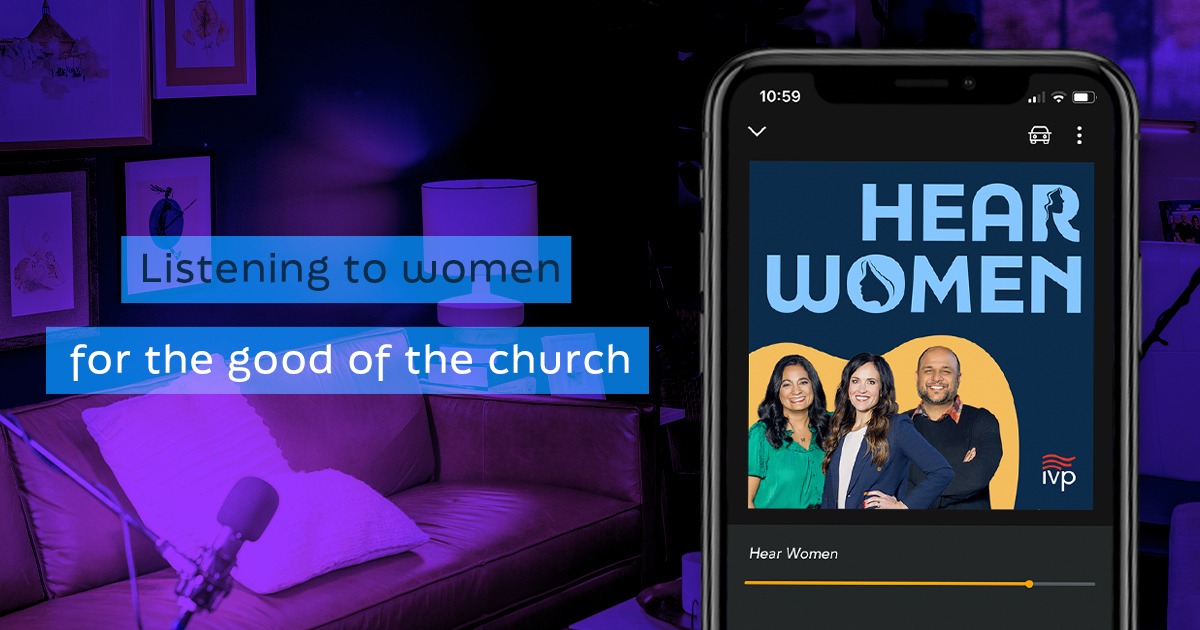
In Hear Women, hosts Dorina Lazo Gilmore-Young, Tara Beth Leach, and Nijay Gupta engage in conversations that highlight the many ways that women are having profound impact in the church, their communities, and the world. For more information about the podcast, visit https://www.ivpress.com/hear-women-podcast.
About the Authors
Carmen Joy Imes
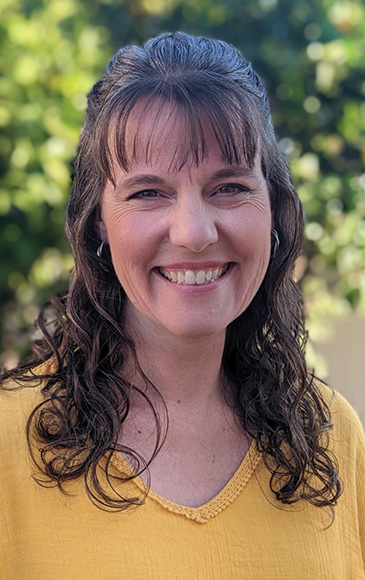
Carmen Joy Imes (PhD, Wheaton) is associate professor of Old Testament at Biola University. She is the author of Bearing God's Name: Why Sinai Still Matters, Being God's Image: Why Creation Still Matters, and Becoming God's Family: Why the Church Still Matters.
Dorina Lazo Gilmore-Young
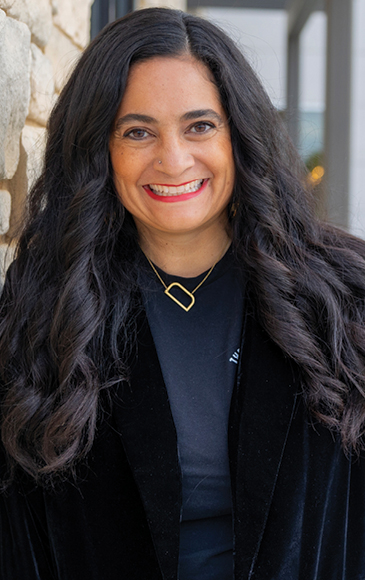
Dorina Lazo Gilmore-Young (MFA, Hollins) is a speaker, teacher, podcaster, and journalist. As the author of several Bible studies and devotionals including Redeemer: God's Lovingkindness in the Book of Ruth and Breathing Through Grief, Dorina frequently speaks at churches and retreats. She is also president of the Redbud Writers Guild and the author of several children’s books, including Cora Cooks Pancit and Chasing God’s Glory. Dorina lives in Central California with her husband Shawn and three daughters, where she loves to run on trails and go on foodie adventures.
Sandra L. Glahn
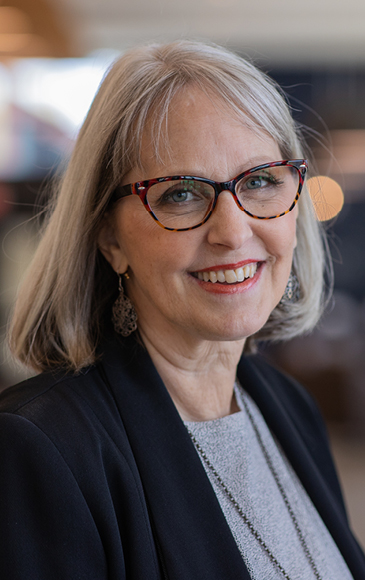
Sandra L. Glahn (PhD, University of Texas at Dallas) is professor of media arts and worship at Dallas Theological Seminary, where her emphases are first-century backgrounds related to women, culture, gender, and the arts. She has authored or edited more than twenty books, including Nobody's Mother, Vindicating the Vixens, and Sexual Intimacy in Marriage (coauthor).
E. K. Strawser
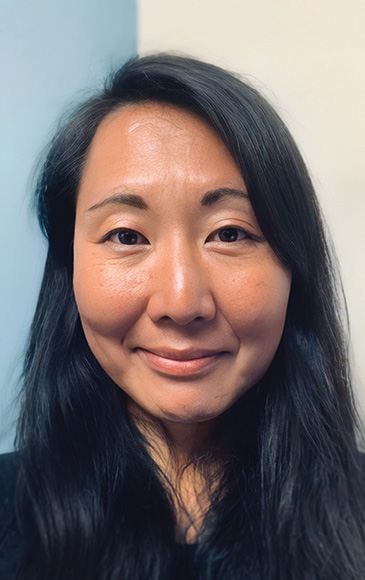
E. K. Strawser (DO, Philadelphia College of Osteopathic Medicine) is the co-vocational lead pastor of Ma Ke Alo o (which means "presence" in Hawaiian)—non-denominational missional communities multiplying in Honolulu—and a community physician at KeOla Pono. She is the founder of `Iwa Collaborative, a consulting and content-developing firm to empower kingdom-grounded leaders to navigate change, grow adaptive capacity, and foster local flourishing. Prior to transitioning to Hawaii, she served as adjunct professor of medicine at the Philadelphia College of Osteopathic Medicine and of African Studies at her alma mater, the University of Pennsylvania (where she and her husband served with InterVarsity Christian Fellowship), after finishing her Fulbright scholarship at the University of Dar es Salaam. She is the author of Centering Discipleship, and she and Steve have three seriously amazing children.
Rob Dixon
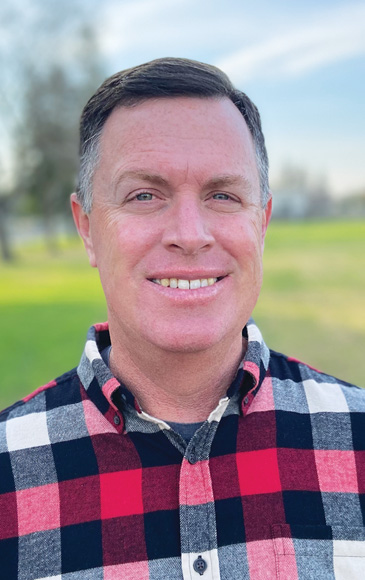
Rob Dixon (DIS, Fuller Theological Seminary) is the author of Together in Ministry: Women and Men in Flourishing Partnerships and the coauthor with his wife, Amy, of the picture book Penny Preaches. In addition to serving on InterVarsity Christian Fellowship staff for almost thirty years, he teaches at Fuller Theological Seminary and Fresno Pacific University.
Nijay K. Gupta
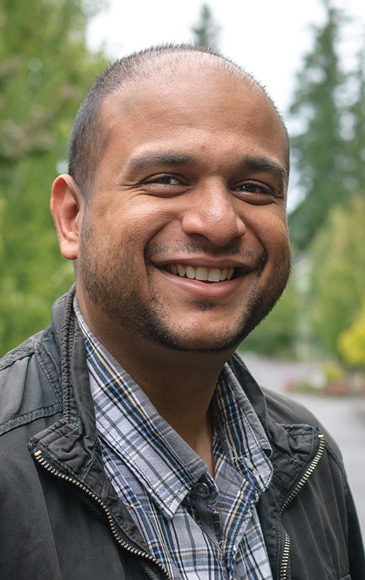
Nijay K. Gupta (PhD, University of Durham) serves as Julius R. Mantey Professor of New Testament at Northern Seminary. Gupta has published over twenty books, including the Dictionary of Paul and His Letters (2nd ed., coeditor), several Bible commentaries, and award-winning titles such as Tell Her Story: How Women Led, Taught, and Ministered in the Early Church and Strange Religion. He also serves as a senior translator for the New Living Translation.


